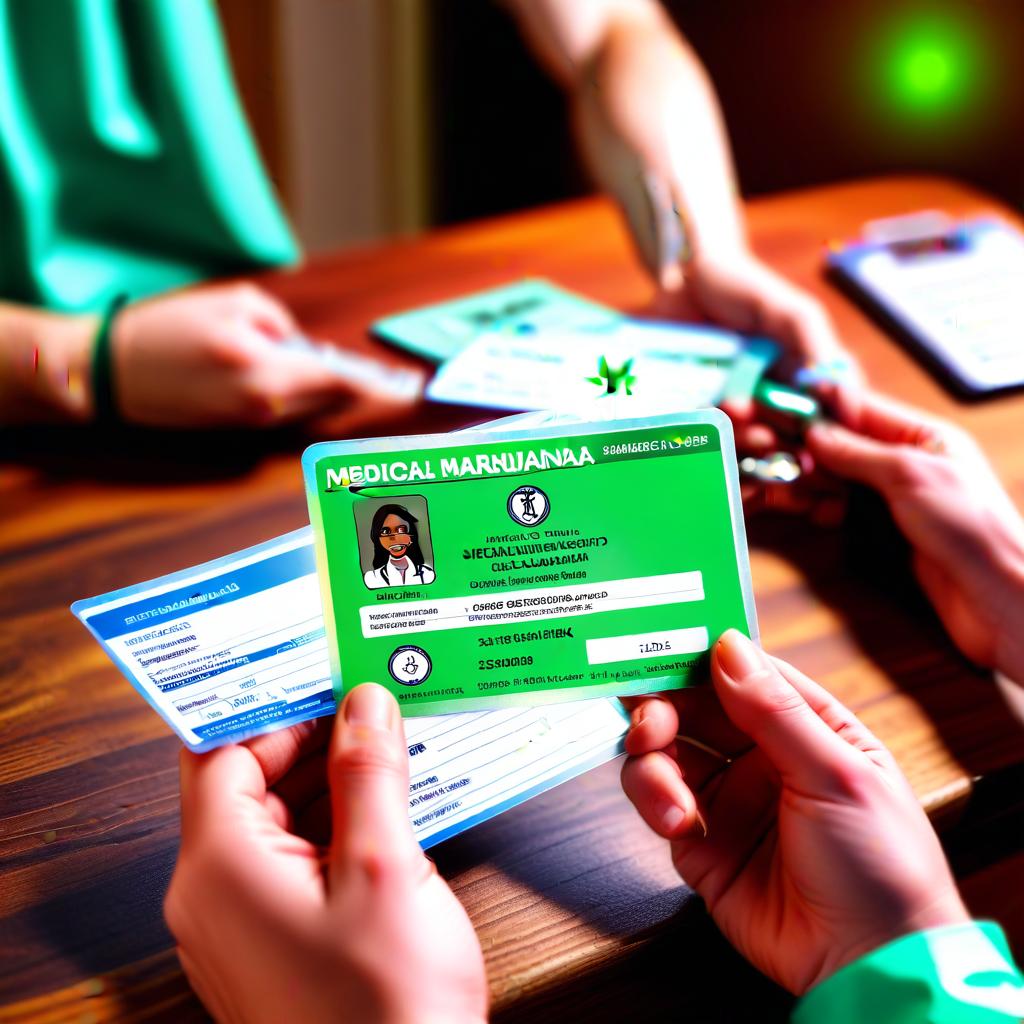
Getting a medical marijuana card gives you legal access to cannabis for therapeutic use, often with significant benefits including higher possession limits, tax savings of 10-35%, and access to products not available to recreational customers.
Medical Card Benefits
- Lower taxes (save 10-35%)
- Higher possession limits
- Access at age 18+ (vs 21+)
- Stronger product access
- Home grow rights (some states)
Who Should Get a Card?
- Those with qualifying conditions
- Frequent cannabis users (tax savings)
- Ages 18-20 in rec states
- Those wanting home grow rights
- Patients needing higher doses
Step-by-Step Process
Check Your State's Program
Verify that your state has a medical marijuana program. Currently, 38 states plus DC have programs, but rules vary significantly.
View all medical states →Review Qualifying Conditions
Each state has a list of qualifying conditions. Chronic pain is the most common reason people qualify. Some states like Oklahoma have very open programs.
Gather Medical Records (Optional)
While helpful, medical records aren't always required. Many telehealth services can evaluate based on your consultation. Having records can speed up approval.
Schedule a Doctor Evaluation
Options include your primary care doctor, specialized MMJ clinics, or telehealth services. Telehealth is often the fastest and most convenient option.
Tip: Many telehealth services offer same-day evaluations and money-back guarantees if you don't qualify.
Complete State Application
After receiving your physician certification, visit your state's medical marijuana program website to create an account, submit documents (ID, proof of residency, certification), and pay the state fee.
Receive Your Card
Approval typically takes 1-4 weeks. Many states provide temporary digital approval allowing dispensary visits while your physical card is mailed.

Qualifying Conditions
Conditions that qualify in most states
| Condition | States | Notes |
|---|---|---|
| Cancer | 38 states | Universal qualifying condition |
| HIV/AIDS | 38 states | Universal qualifying condition |
| Epilepsy/Seizures | 38 states | Universal qualifying condition |
| Chronic Pain | 35 states | Most common reason for cards |
| PTSD | 33 states | Growing acceptance |
| Multiple Sclerosis | 38 states | Universal qualifying condition |
| Crohn's Disease | 32 states | IBD conditions often qualify |
| Glaucoma | 38 states | One of original qualifying conditions |
| Anxiety | 15 states | Limited acceptance |
| Autism | 12 states | Emerging qualifying condition |
Many states also allow doctors to recommend cannabis for any condition they deem appropriate. Check your specific state for the complete list.
Costs by State
Total costs typically range from $100-$500 for your first year, including doctor evaluation and state fees. Many states offer reduced fees for veterans, low-income patients, or those on disability.
| State | Doctor Fee | State Fee | Total | Renewal |
|---|---|---|---|---|
| California | $40-100 | $100 | $140-200 | $100/year |
| Florida | $150-250 | $75 | $225-325 | $75/year |
| New York | $150-200 | $50 | $200-250 | $50/year |
| Oklahoma | $75-150 | $100 | $175-250 | $100/2 years |
| Pennsylvania | $125-225 | $50 | $175-275 | $50/year |
| Ohio | $150-200 | $50 | $200-250 | $50/year |
| Michigan | $100-175 | $40 | $140-215 | $40/year |
| Arizona | $150-250 | $150 | $300-400 | $150/2 years |

Tax Savings
Medical patients pay significantly less in taxes
Example: If you spend $300/month on cannabis in Illinois, a medical card could save you over $100/month in taxes alone, paying for itself in under 3 months.
| State | Recreational Tax | Medical Tax | Savings |
|---|---|---|---|
| California | 15% + local | 0% state | Up to 35% |
| Colorado | 15% | 2.9% | ~12% |
| Illinois | 25-35% | 1% | Up to 34% |
| Massachusetts | 20% | 0% | 20% |
| Michigan | 10% | 0% | 10% |
| Nevada | 15% | 0% | 15% |
| New Jersey | 13% | 0% | 13% |
| Oregon | 17-20% | 0% | Up to 20% |
Quality Accessories Matter
MunchMakers offers custom-designed accessories for patients and dispensaries who value quality.
Shop MunchMakers
Delivery & Online Ordering
Many states now offer cannabis delivery services
Cannabis delivery has expanded significantly. Medical patients often get priority access to delivery services, especially in states where recreational delivery isn't yet available.
Statewide delivery legal
Local jurisdictions may opt out
Licensed delivery operators
Delivery licenses available
Since 2023
Expanding delivery network
How Online Ordering Works
- Browse dispensary menu online or via app
- Add products to cart and checkout
- Upload medical card and ID for verification
- Choose delivery time slot or pickup
- Pay online or cash on delivery (varies by state)
Business & Licensing Info
For those interested in the cannabis industry
Dispensary Licenses
- Application Cost: $5,000 - $50,000+
- License Fee: $10,000 - $100,000+/year
- Process: 6-18 months typically
- Requirements: Background checks, financial review, location approval
Cultivation Licenses
- Micro/Craft: $1,000 - $10,000
- Commercial: $25,000 - $200,000+
- Requirements: Security plans, environmental compliance, tracking systems
Caregiver Registration
- Cost: $25 - $200
- Requirements: Background check, patient designation
- Benefits: Purchase on behalf of patients, sometimes grow rights
Industry Jobs
- Budtender: $15-22/hour + tips
- Cultivator: $18-30/hour
- Dispensary Manager: $50-80K/year
- Most require: Agent card/badge ($50-150)
Medical Marijuana Timeline
The history of legal medical cannabis in America spans nearly three decades, with California leading the way in 1996.
California becomes first state to legalize medical marijuana (Prop 215)
Alaska, Oregon, and Washington legalize medical cannabis
Hawaii becomes first state to legalize through legislature, not ballot
New Jersey and Arizona establish medical programs
New York legalizes medical marijuana with strict regulations
Florida, Arkansas, North Dakota approve medical cannabis
Oklahoma passes one of most accessible medical programs
Mississippi and South Dakota approve medical marijuana
38 states plus DC now have medical marijuana programs
Nearly 4 million registered medical marijuana patients nationwide
Frequently Asked Questions
How long does it take to get a medical marijuana card?
Will my employer find out I have a medical marijuana card?
Can I use my medical card in other states?
What if I don't have medical records for my condition?
Can I grow my own cannabis with a medical card?
How much cannabis can I possess with a medical card?
Do I need to see a specialist or can any doctor certify me?
Is a medical card worth it in a recreational state?
Can minors get a medical marijuana card?
What happens if my card expires?
Find Local Resources
State Program Directory
Find your state's official medical marijuana program, application portal, and requirements.
Dispensary Finder
Browse licensed dispensaries in your state with addresses, hours, and product menus.
Reciprocity Guide
Learn which states accept out-of-state medical cards and traveling rules.
Product Guide
New to cannabis? Learn about different products, dosing, and what to expect.